People from diverse states are marrying each other as the planet becomes more and more connected. These “international relationships” are becoming more common and, like any other conjugal coalition, present their own unique obstacles. Before proceeding with a marriage in another country, those who choose to do so if properly consider the legal, cultural, and social repercussions of such a union.
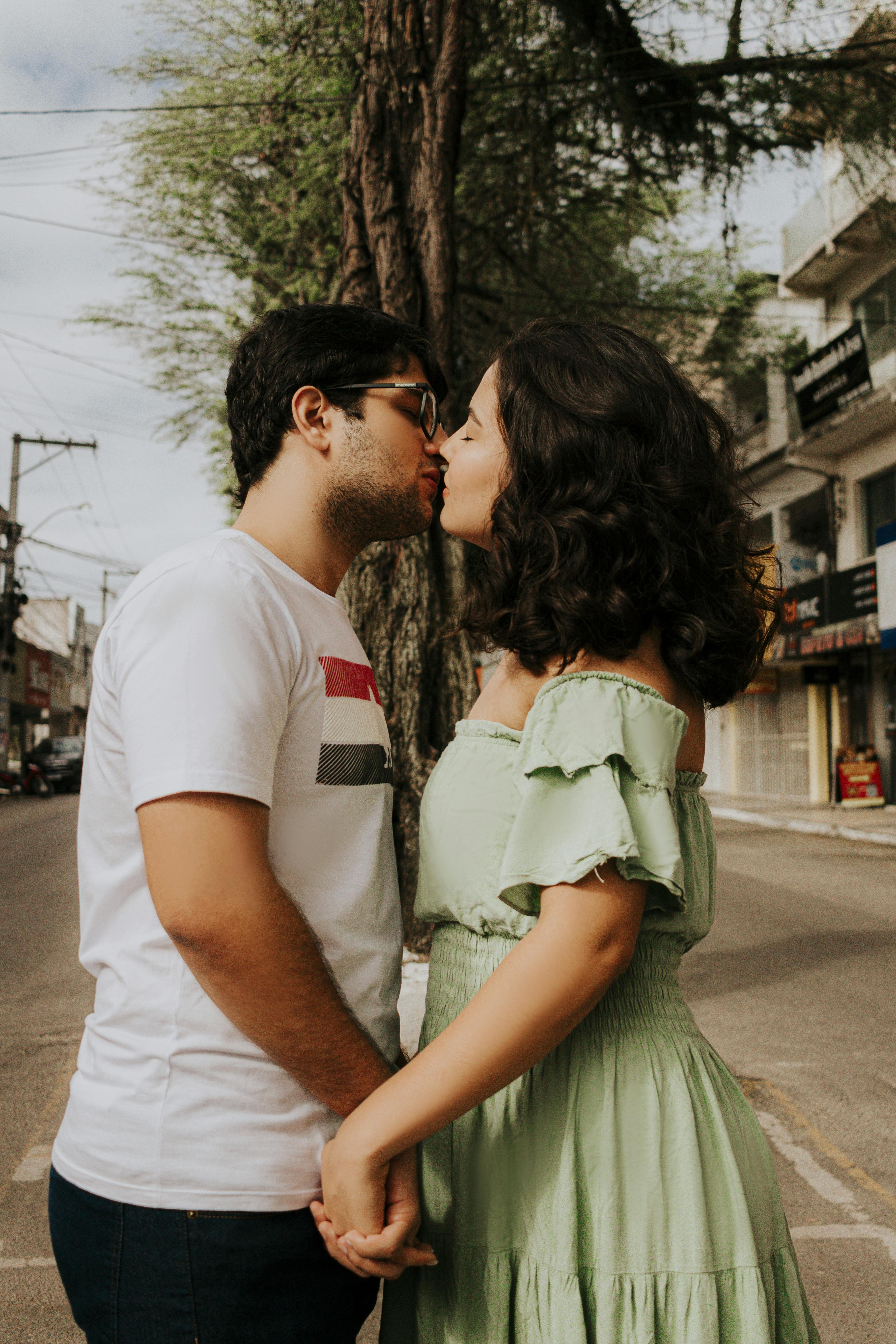
The impact it has on the relationship is one of these assumption. Some couples who have intercontinental unions find a good stability between their nations and have a good time adjusting, but others have several issues and troubles. These issues can remain brought on by a number of factors, ranging from the simple to the complex. These include cultural differences, speech restrictions, and the partners ‘ unique needs and expectations.
Some individuals worry that their children won’t remain devoted to their native country because of the effects of their international unions on them. Some citizens fear discrimination and prejudice toward their Western associates and citizens by the specialists in their country of residence, while others fear the same for their foreign spouses and their cultural and historical partners.
Although worldwide relationship does cause a lot of issues, the success of a relationship in this regard depends on how well both factions may come to terms with their dissimilarities. Some people are better at managing these troubles than individuals, and these can number from miscommunications to serious disputes soundcloud.com/theperfectbride/dominican-mail-order-wives. These issues may be made worse by the precarious migration status of the migrating wives ( often women ) and the existence of greater power imbalances between them and their husbands, in addition to the inherent difficulties of any cross-cultural marriage.
Ladies from developing nations marry males from developing nations for the majority of worldwide unions. Although their families are usually older and frequently divorced or widowed, these immigrants normally have 20 or 30 years of marriage. Most women must moreover deal with their broader financial and family problems as well as the specific needs of their new men’ nations of residence.
While earlier research primarily focused on conjugal vulnerability and volatility, this article contributes in three distinct ways. First, it examines the power dynamics that influence international marriages by examining the connections between migrants ‘ socioeconomic standing in their home country and that of their families in their husbands’ home country of choice. Second, it examines the effects of identity on these associations and examines how girls explore a number of stereotyped paths in their marriages.
Suddenly, this essay demonstrates the ways in which the multifaceted nature of international unions affects their durability. It demonstrates how challenging it is to determine which couples can be categorized as for and which rules apply when a relationship is forged in two different nations due to the complexity of these relationships. Further, it provides insight into how these marriages may benefit both parties and how combining weddings and journey aids in the move to marriage overseas.